 Become A Jaguar
  Request Info
  Apply
Apply  Get Game Tickets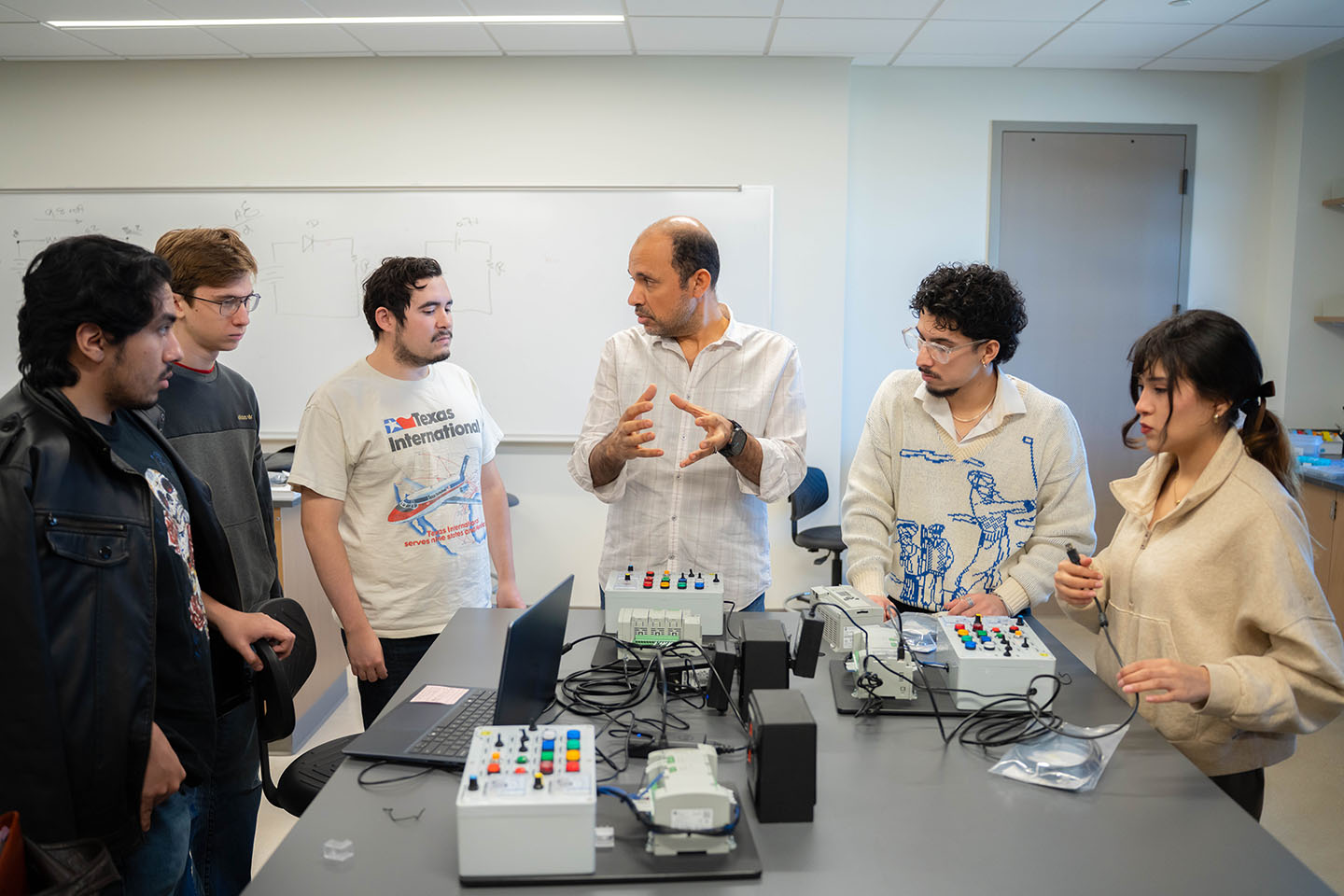
About the Bachelor of Science in Electronic Systems Engineering Technology Program
The Electronic Systems Engineering Technology (ESET) program at Texas A&M University-San Antonio prepares students to become skilled Engineering Technologists who bridge the gap between engineering theory and practical application. Through a hands-on, application-driven curriculum, students gain experience in electronics, embedded systems, wireless communication, automation, industrial controls, and emerging technologies such as the Internet of Things (IoT).
With a strong emphasis on lab-intensive and project-based learning, students develop technical expertise and problem-solving skills in circuit design, microcontrollers, control systems, and wireless technologies. Graduates are prepared to contribute as technical experts on engineering teams in industries including manufacturing, aerospace, avionics, medical electronics, robotics, energy, information technology, and the military.
The program also promotes collaboration with San Antonio’s industry and military sectors, giving students exposure to real-world challenges and professional environments. ESET graduates are equipped to support product development, quality assurance, technical sales, and program management in today’s technology-driven economy.
Career Opportunities
Graduates of the ESET program are well-prepared for a wide range of high-demand careers in engineering technology and advanced manufacturing sectors:
- Automation and Controls Engineer – Design and maintain PLC-based control systems in manufacturing environments.
- Embedded Systems Engineer – Develop hardware/software systems for smart devices and industrial applications.
- Industrial Maintenance / Mechatronics Technician – Troubleshoot and maintain automated production systems.
- IoT Systems Engineer – Design connected systems integrating sensors, data, and cloud technologies.
- Robotics and Automation Specialist – Program and integrate robotic systems in manufacturing lines.
- Electrical/Electronic Engineering Technologist – Support design, testing, and implementation of electronic systems.
- Data and Systems Analyst (Industrial Applications) – Analyze operational data to improve efficiency and performance.
Key Industries:
- Advanced Manufacturing (e.g., automotive, aerospace)
- Energy and Utilities
- Technology and IoT
- Smart Infrastructure and Industrial Automation
Key Differentiators and Faculty Highlights
Key Differentiators:
- Hands-On Training: Lab-intensive curriculum using industry-grade equipment in automation, embedded systems, IoT, and control systems.
- Real-World Experience: Internships, co-ops, and capstone projects aligned with industry needs.
- Personalized Learning: Small class sizes support individual attention and better student outcomes.
- Industry-Focused Specializations: Training in high-demand areas such as automation, embedded systems, and cyber-physical systems, aligned with modern technologies like automation.
- Strong Industry Connections: Partnerships with companies (e.g., Toyota) create clear pathways to internships and employment.
- Inclusive Access: Focus on supporting underrepresented and first-generation students in STEM.
The ESET program stands out for its industry-experienced faculty who combine academic rigor with real-world engineering expertise.
- Industry Expertise: Faculty bring practical experience in automation, embedded systems, and manufacturing, connecting theory to real applications.
- Teaching Excellence: Emphasis on hands-on, student-centered learning and continuous curriculum improvement to support student success.
- Applied Research: Active work in areas like smart sensors and measurement systems, IoT, control systems, and cyber-physical systems enriches classroom and lab instruction.
- Student Support: Strong mentorship and close
Affiliated Faculty

Dr. Venkatesh Uddameri
Research Areas: Analog and Digital Sensors, Wavelets and Signal Processing methods
Office: SciTech 211D
Email: vuddameri@tamusa.edu
Phone: (210) 784-2224
Webpage: Dr. Uddameri Profile

Dr. Sayantan Das
Research Areas: Experimental work on colloidal synthesis and deposition to create hierarchical nanostructures for sensorial applications (photonics, electrical).
Office: SciTech 211T
Email: sdas@tamusa.edu
Phone: 210-784-2256
Webpage: Dr. Das Profile
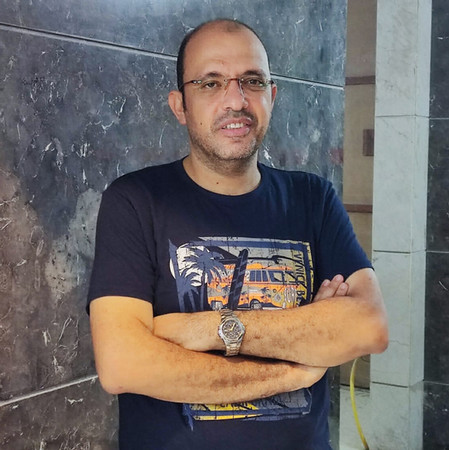
Dr. Wael Deabes
Research Areas: Tomography Systems, Intelligent sensing and measurement systems, Smart Control Systems, Smart Cities,.
Office: SciTech 211K
Email: wdeabes@tamusa.edu
Phone: 210-784-2639
Webpage: Dr. Deabes Profile
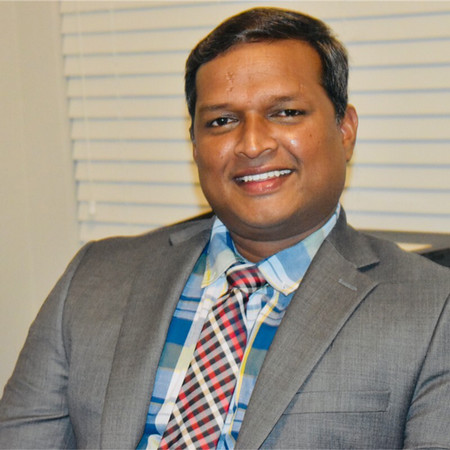
Dr. Yuvaraj Munian
Research Areas: Artificial intelligence, machine learning, cybersecurity, virtualization, storage systems, and high-performance computing.
Office: SciTech 211W
Email: ymunian@tamusa.edu
Phone: 210-784-2367
Webpage: Dr. Munian Profile
Adjunct Faculty
Student Organizations